- New concepts for on-site sanitation based on bio-additives and pit design (London School of Hygiene and Tropical Medicine), Jeroen Ensink
- Sol-Char Toilet: Using Concentrated Solar Energy to Stabilize Fecal Waste and Produce a Valuable Soil Amendment (University of Colorado, Boulder, USA), Richard (Chip) Fisher and Ryan Mahoney
Tuesday, 19 November 2013
Webinar featuring the Nano Membrane Toilet 26th Nov
The Nano Menbrane toilet will be on the the technologies featuring in the next expert webinar hosted by SEI on Tuesday 26 Nov at 16:30 CET, alongside:

Monday, 18 November 2013
Works-like prototype treats simulated faeces
So, as promised, our works-like prototype is now in our lab being tested with simulated faeces.
 You can see the simulated faeces settling out and the dewatering screw moving the sludge towards the mister (far right):
 The membranes are in place to remove the water:
 And the two columns of beads condesne the waster vapour. At present we're using silica and glass beads but we're about to apply a nano coating to the beads to make the condensation more efficient:

And the water is collected in a tank at the bottom (you can see the ripples in this image - it's so clear it's hard to see!)
 The sludge drops into the final container where the nanomist forms. We'll soon add polymer to the mist which will contain the odour and pathogens:
 Obviously there's still a lot of optimisation to go but we're really happy to be able to see all these processes working together.


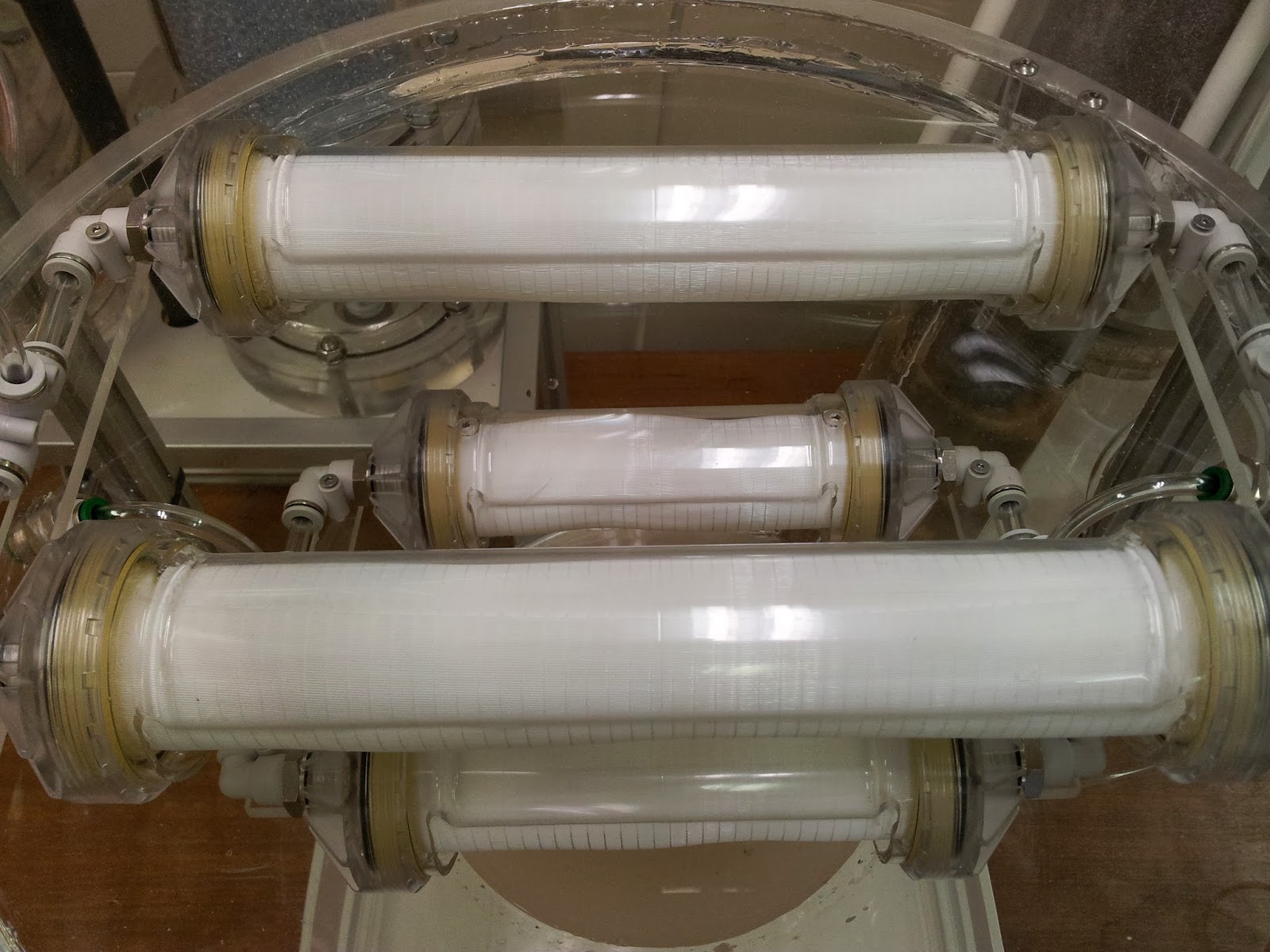


And the water is collected in a tank at the bottom (you can see the ripples in this image - it's so clear it's hard to see!)


Thursday, 24 October 2013
Works-like prototype nearly finished
We're really excited that our works-like prototype is nearly ready for testing. It's been built locally by Model Products who've helped us work through the integration of the components. It will comprise the membranes, beads, nanomister and flush. This version made out of perspex so it will be easy to observe each process, but we're also working on an aspirational design.

Keep following ther blog to see this prototype being tested in our lab very soon, and the beautiful design.

Keep following ther blog to see this prototype being tested in our lab very soon, and the beautiful design.
Monday, 21 October 2013
Dewatering in action
Here's the membrane rig working at full power, pulling water out of a synthetic urine solution. In this case it's coming through fast as both liquid and vapour, and then going through a cold trap where we can capture it all and make measurements.
Thursday, 17 October 2013
Three generations of mister
We've now developed the latest mister unit and lining the three up together shows just how far we've come!

The lastest desgin (the far left) has been 3D printed, but could be injection moulded for mass production.

The lastest desgin (the far left) has been 3D printed, but could be injection moulded for mass production.
Monday, 30 September 2013
Turning sweat into watts
We're continuing to develop options for powering the Nano Membrane Toilet in scenarios where grid power is not available. The latest option is a bike-generator. The generator is compound by a rear-wheel hub motor, a bike stand, and a 26" wheel mountain bike. After a short testing period, an average power of 82 Watts has been generated while pedalling for 15 min by male students. Nevertheless, a more comprehensive statistical study will be carried out to better characterize the generator and user capabilities. Currently, our efforts are focusing on improving the comfort of the rider and reducing the footprint of the bike.
Tuesday, 17 September 2013
How do you ‘flush’ without a ‘flush’?
 |
| The C4D Nano Membrane Toilet workshop |

A flush suggests water but what we actually mean is how do you move waste from the toilet bowl to the waste holding tank. The new method for the Cranfield toilet has to meet the following criteria:
- No additional water can be used
- No additional power can be used
- The action has to be in keeping with the user’s normal behaviour
- A constant barrier must be maintained between the holding tank and bowl
To do this the design team began by scoping existing methods before moving into concept generation and development. Testing is soon to commence evaluating materials and shapes.
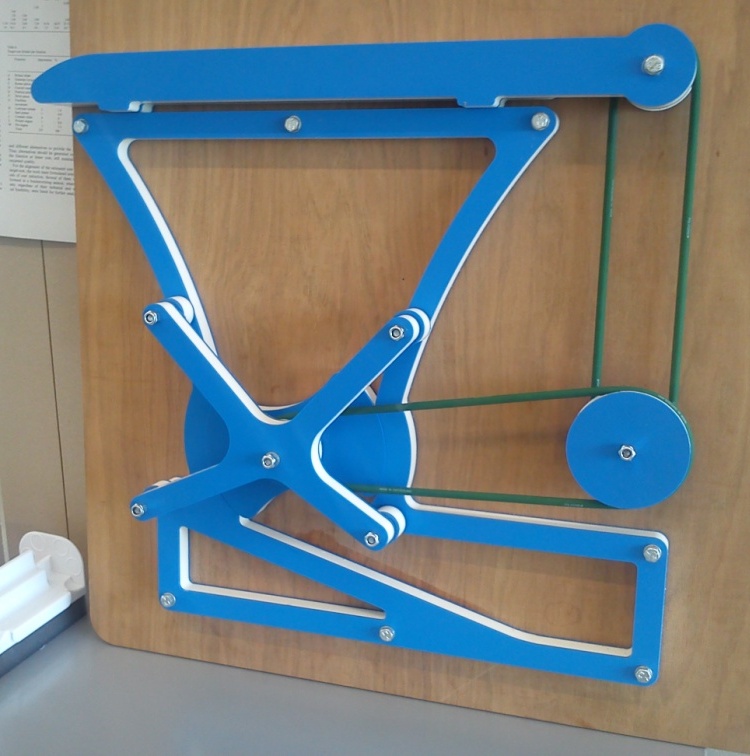 |
| First model of the cross section integrating the flush mechanism with the toilet seat |
 |
| CAD model from flush mechanism development |
 |
| Gears of flush mechanism prototype |
 |
| Latest cross section model from the flush mechanism development |
A video of the the latest model of the cross section experimenting with the gears for the flush mechanism
Subscribe to:
Posts (Atom)